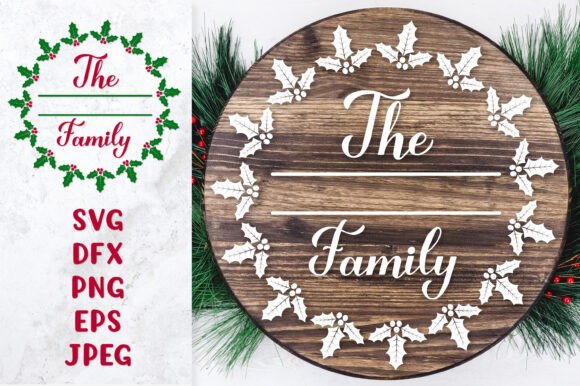
A Designer's Review of the Family Christmas Wreath Monogram
Every year, I look forward to the holiday embroidery season—the rush of custom orders, the joy of creating personalized gifts, and the hunt for designs that truly resonate. This year, one of the first designs I evaluated for my projects and client work was the Family Christmas Wreath Monogram. As a designer, my first question is never just about aesthetics; it’s about practical application. How will this design actually perform when it’s translated from a digital file into stitches on fabric? Let’s walk through that.
The Immediate Charm: Warmth and Welcoming Tradition
My first impression of the Family Christmas Wreath Monogram was its classic, welcoming mood. The round wreath layout with the central monogram creates an instant focal point. It doesn’t scream “modern minimalist” or “rustic farmhouse”—it sits comfortably in a timeless, family-oriented space. The detail level suggested by the vector files (the wreath itself, the decorative accents like berries or leaves) feels balanced. It’s not overly sparse, nor is it overwhelmingly dense, which is a crucial first sign for embroidery. This visual personality feels warm, traditional, and perfect for personalized items meant to evoke a sense of home and belonging.
Where This Design Naturally Belongs in Real Projects
In my mind, I immediately started picturing it stitched out. I thought of a custom embroidered tote bag for a grandmother, a sweatshirt for a family photo session, or a delicate baby blanket as a first Christmas gift. The monogram element makes it inherently personal, so it’s a strong candidate for gifts. For my small business clients—the Etsy sellers and boutique owners—this design screams “holiday merchandise.” It would look excellent on apron pockets, pillow covers for a cozy living room, or even as a beautifully executed patch sewn onto a knit cap. The round sign format lends itself beautifully to centered placements, which is often the safest and most visually pleasing approach for apparel decorators.
Thinking Beyond the Holiday: Year-Round Gift Potential
While it’s a Christmas wreath, the core concept is family. I’ve seen similar designs used for wedding gifts (welcoming a new family) or nursery decor. A well-embroidered version on a tea towel or a framed hoop art piece could transcend the season slightly, speaking more to the “Family” aspect than the “Christmas” one. This versatility adds value for crafters who want to maximize a design’s use.
Performance in Real-Life Embroidery Situations
Now, the practical judgment. Based on the file formats listed—SVG, DXF, PNG, JPEG, EPS10—this is clearly a vector-based graphic meant for multiple uses, including machine embroidery conversion. For embroidery, the key is how those vector lines translate into stitch paths.
- Custom Apparel & Tote Bags: On a mid-weight sweatshirt or canvas tote, this design should stitch out cleanly. The circular shape and likely moderate detail level mean good coverage without excessive stitch density, which is a relief for fabrics that can pucker under heavy stitching.
- Baby Items & Delicate Fabrics: For a baby onesie or blanket, I’d be cautious. The small decorative accents and any tiny lettering in the monogram could become a challenge on thin, stretchy knit fabric. It would require a very light touch, careful stabilizer choice, and possibly scaling the design up slightly.
- Patches & Caps: As an embroidered patch, it would be stunning. The round shape is ideal for a patch. For curved surfaces like caps, the central monogram might need slight adjustment to sit correctly on the crown, but a skilled digitizer or machine operator can handle that.
- Commercial & Small Shop Products: For consistent production across many items—say, a line of holiday kitchen towels—the design’s clear, recognizable shape ensures brand consistency. It’s giftable, professional, and engages buyers looking for that handmade, personalized touch.
Caution Areas: Where to Use This Design Carefully
No design is universally perfect for every application. Here’s where I’d proceed with extra care:
- Very Small Hoop Sizes: Trying to cram this entire wreath into a tiny hoop for a shirt pocket or a small pendant would compress the details. The monogram lettering could become illegible, and the wreath’s decorative elements might lose definition.
- Textured or Dark Fabrics: On a thick, textured blanket or dark fabric, thread color contrast is paramount. The design likely has open areas within the wreath. If those are meant to be negative space (the fabric showing through), on dark fabric, the whole wreath shape could get lost unless the outer details are stitched in a very light, contrasting thread.
- Dense Stitch Areas: If the wreath is designed with a lot of fill stitch inside its bands, the stitch density could be high. On layered garments like jackets or on stretchy fabrics, this requires heavy stabilizer and might affect fabric drape.
- Products for Frequent Washing: Items like aprons or kitchen towels that get washed often need robust embroidery. Many small, delicate satin stitch accents (like tiny berries) might wear faster than larger, solid areas.
The Impact on Customer Perception and Value
How does using this design affect the finished product’s appeal? A cleanly embroidered Family Christmas Wreath Monogram on a gift adds immense perceived value. It signals care, personalization, and craftsmanship. For a small business, it helps build customer trust—the product looks intentional and professional, not hastily slapped together. That handmade presentation, when executed well, directly boosts buyer engagement and can turn a simple item into a cherished keepsake.
Practical Designer Notes Before You Stitch
Before I ever load a design into my machine for a client project, I run through a checklist. For this wreath monogram, I’d recommend:
- Test on Scrap Fabric First. Always. Use the same fabric and stabilizer you plan for the final project. This reveals any issues with puckering, density, or small detail clarity.
- Check Thread Color Contrast. Run mental (or actual) mockups for both light and dark fabric backgrounds. Does the design hold its visual weight on both?
- Review the Stitch Paths. If you’re converting the vector file to an embroidery file, inspect how the digitizer has handled the corners of the monogram letters and the tight curves of the wreath. Clean paths prevent thread breaks and jumps.
- Confirm Your Hoop Size. Measure the design’s intended output size against your hoop and the item’s available space. A 4-inch wreath on a cap is different than on a pillow.
- Consider Commercial Use. The product description mentions making your own items, but always confirm the specific licensing terms before selling finished embroidered products or digital embroidery files derived from this graphic. This is a critical step for creative entrepreneurs.
Ultimately, the Family Christmas Wreath Monogram is a design with strong foundational appeal. Its classic theme and personalizable core make it a versatile asset for hobbyists creating gifts and for businesses building a holiday product line. Its success, however, hinges entirely on the embroiderer’s skill in matching the design to the right substrate, preparing properly, and stitching with an eye for clarity. When those conditions are met, it becomes more than a graphic; it becomes a warm, stitched embodiment of family and holiday spirit, ready to adorn a keepsake.